A small datum error can show up later as leakage, thread mismatch, or assembly trouble.
Valves and Plumbing
Valve Body and Plumbing Fitting Machining Solutions
Valve and fitting production is sensitive to sealing surfaces, threads, burrs, and repeated loading. The right solution starts with the blank, not only the finished part drawing.
Engineering View
Start with the part family, then choose the machine.
For valve buyers, TZ checks how the part is located, where the sealing surfaces are cut, how threads are controlled, and whether dual-end or multi-station machining can reduce handling.
Typical parts
- Brass valve bodies
- Stainless steel valve parts
- Pipe and plumbing fittings
- Threaded bodies and sealing components
What Usually Decides the Route
Repeated loading across several machines can hurt concentricity and create unstable cycle time.
Burr control and cleaning access should be planned before the machine is built, not after installation.
Machine paths TZ will usually compare.
The right answer may be a standard CNC platform, a fixture-led cell, or a dedicated special machine. TZ should compare these routes before pushing one model.
Dual-end CNC machines
For valve bodies and fittings where both ends or related features need controlled alignment.
Rotary transfer systems
For mature high-volume parts with repeated drilling, tapping, facing, and threading operations.
Trimming and forming equipment
For pipe fitting routes where forming, trimming, and downstream machining are connected.
Related TZ machine pages.
These pages give buyers a starting point, but final selection should still come from the drawing and production target.
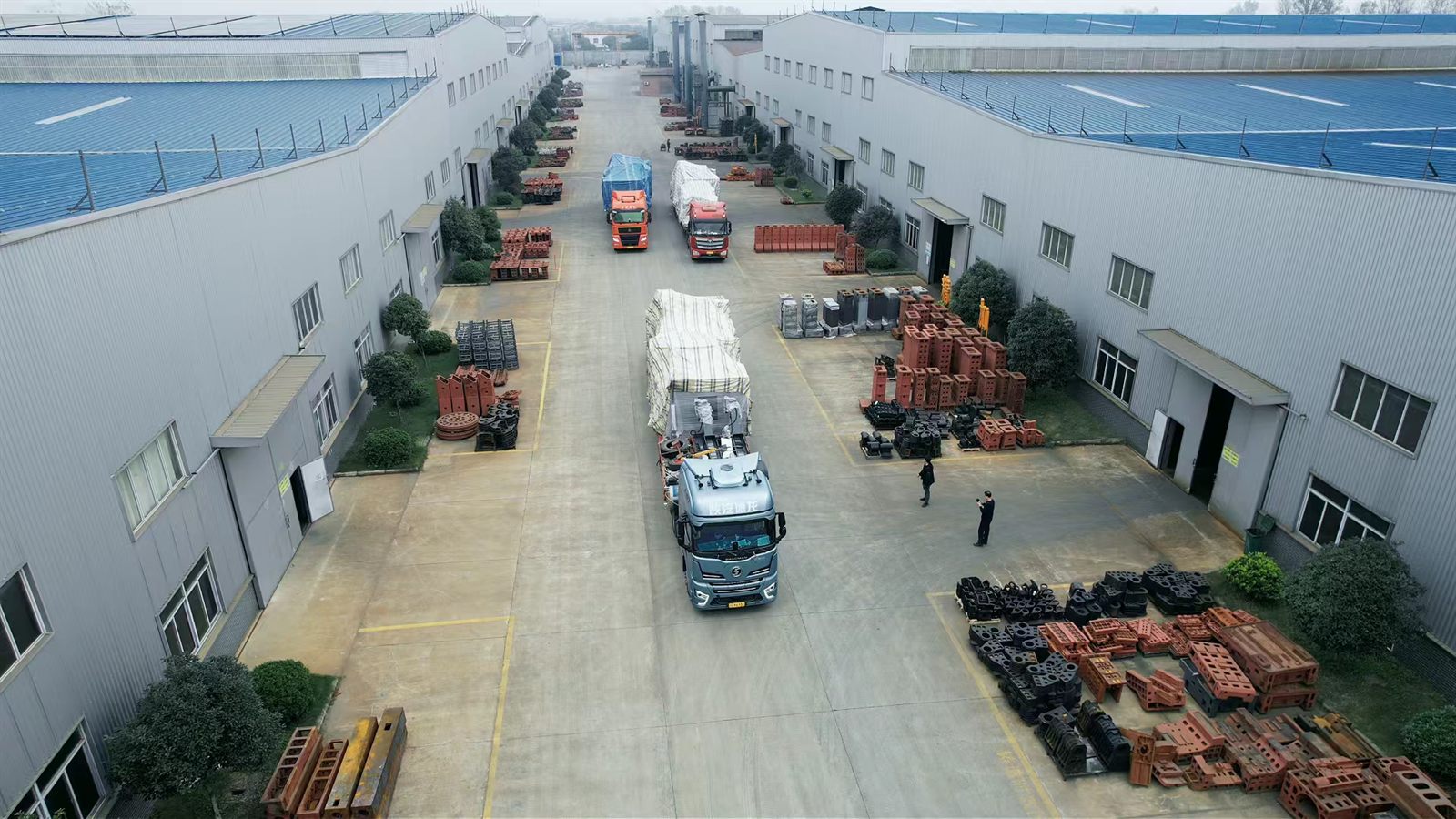
RF Series Red Forge Automated Line
Forging and Forming Line What this machine is built to solve The RF Series Red Forge route is for buyers...
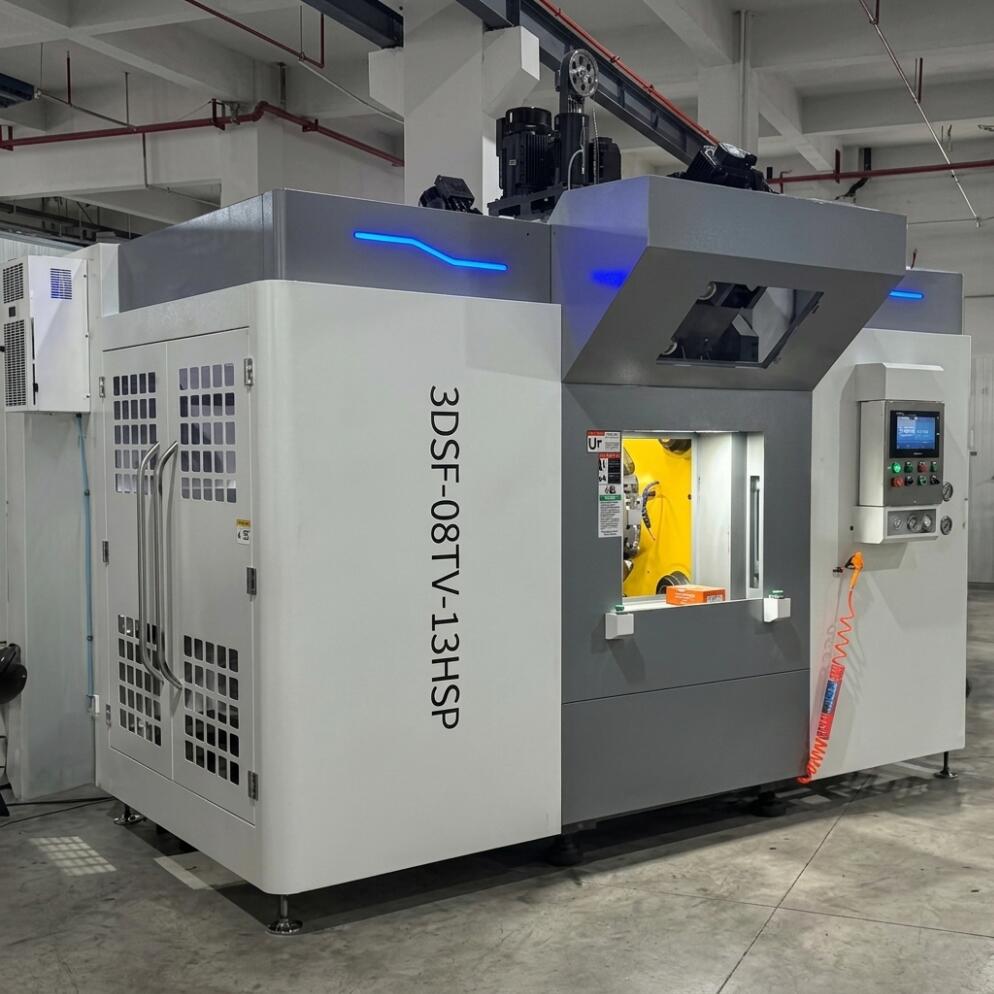
View machine →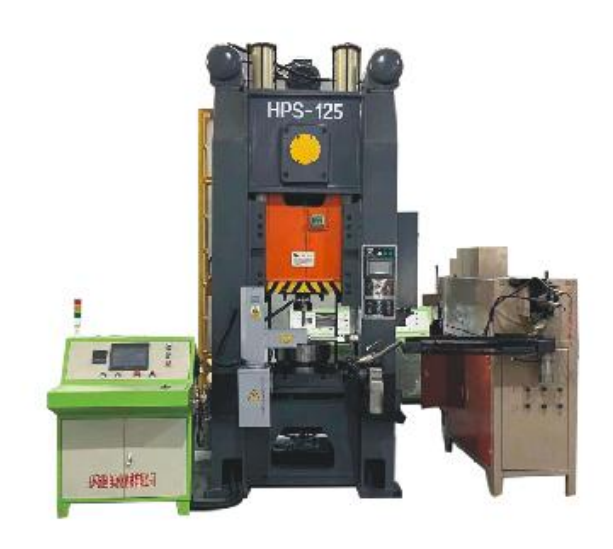
MT-5A Multi-Axis Drilling Center
Multi-Axis Drilling Center What this machine is built to solve The MT-5A is a fixture-led multi-axis drilling center route for...
View machine →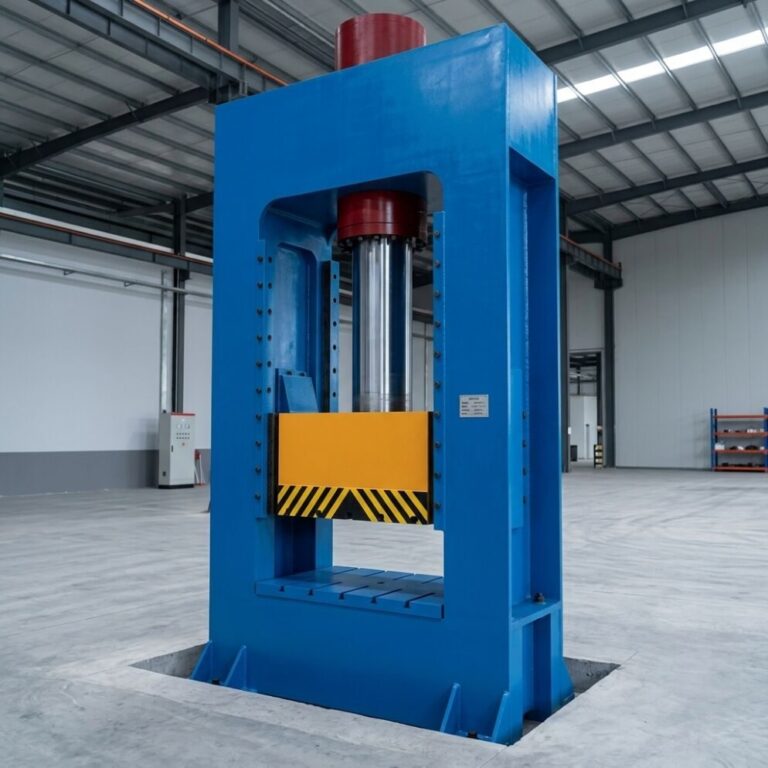
LSQ Hydraulic Trimming & Notching Press
Trimming and Notching Press What this machine is built to solve The LSQ hydraulic trimming and notching press is for...
View machine →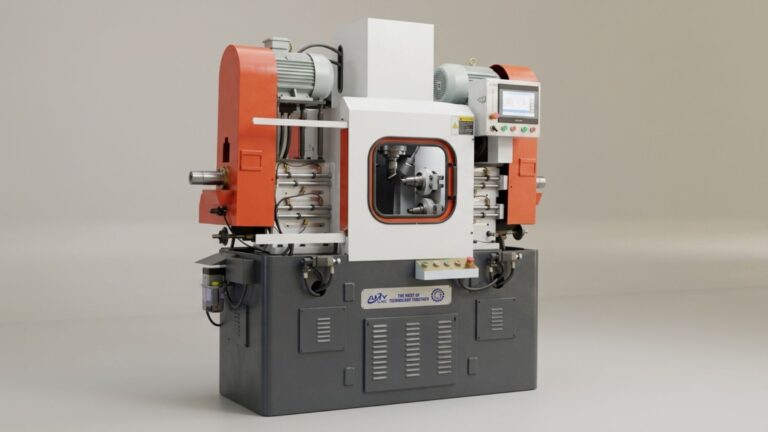
Rotary Transfer SPM – Valve & Cylinder Manufacturing
Rotary Transfer CNC System What this machine is built to solve This Rotary Transfer SPM route is for valve bodies,...
View machine →RFQ Checklist
Details that make the first reply useful.
A short, specific RFQ is better than a long sales message. Send the facts below and TZ can reply with a more realistic route.
- Finished and blank drawings
- Material grade
- Thread standard
- Sealing surface requirement
- Leak test or pressure requirement
- Target output per shift
Buyer Questions
Why does TZ ask for the blank drawing?
The blank tells the engineer how much allowance exists, where the part can be located, and whether a stable sealing surface can be cut without repeated correction.
Is rotary transfer always the right choice for valve parts?
No. It is strong for stable high-volume parts. For lower volume or changing drawings, a CNC cell may be safer.
Valve machining answer
How should valve body CNC machining be evaluated?
- Direct answer
- Valve body CNC machining depends on sealing surfaces, thread standards, port alignment, fixture rigidity, leak-related inspection, and cycle time.
Valve and plumbing fitting projects often compare dual-end CNC machines, drilling and tapping cells, rotary transfer systems, trimming equipment, and downstream inspection support.
- Review blank casting or forging allowance.
- Confirm sealing, threading, and port-alignment requirements.
- Choose flexible CNC cells or rotary transfer routes based on volume stability.
Is rotary transfer always best for valve bodies?
No. Rotary transfer is strong for stable high-volume valve parts, while changing drawings or smaller batches may fit a CNC cell better.
Why does the blank drawing matter for valve machining?
The blank drawing shows allowance, locating surfaces, casting variation, and whether sealing and thread features can be machined repeatably.