A flexible machine can still be the wrong answer when the same part runs every day and handling time becomes the real cost.
Automotive Parts
CNC Machines and Special Lines for Automotive Part Families
Automotive buyers usually do not ask for a machine in isolation. They ask whether the line can hold tolerance, keep cycle time stable, and run the same part family without constant adjustment.
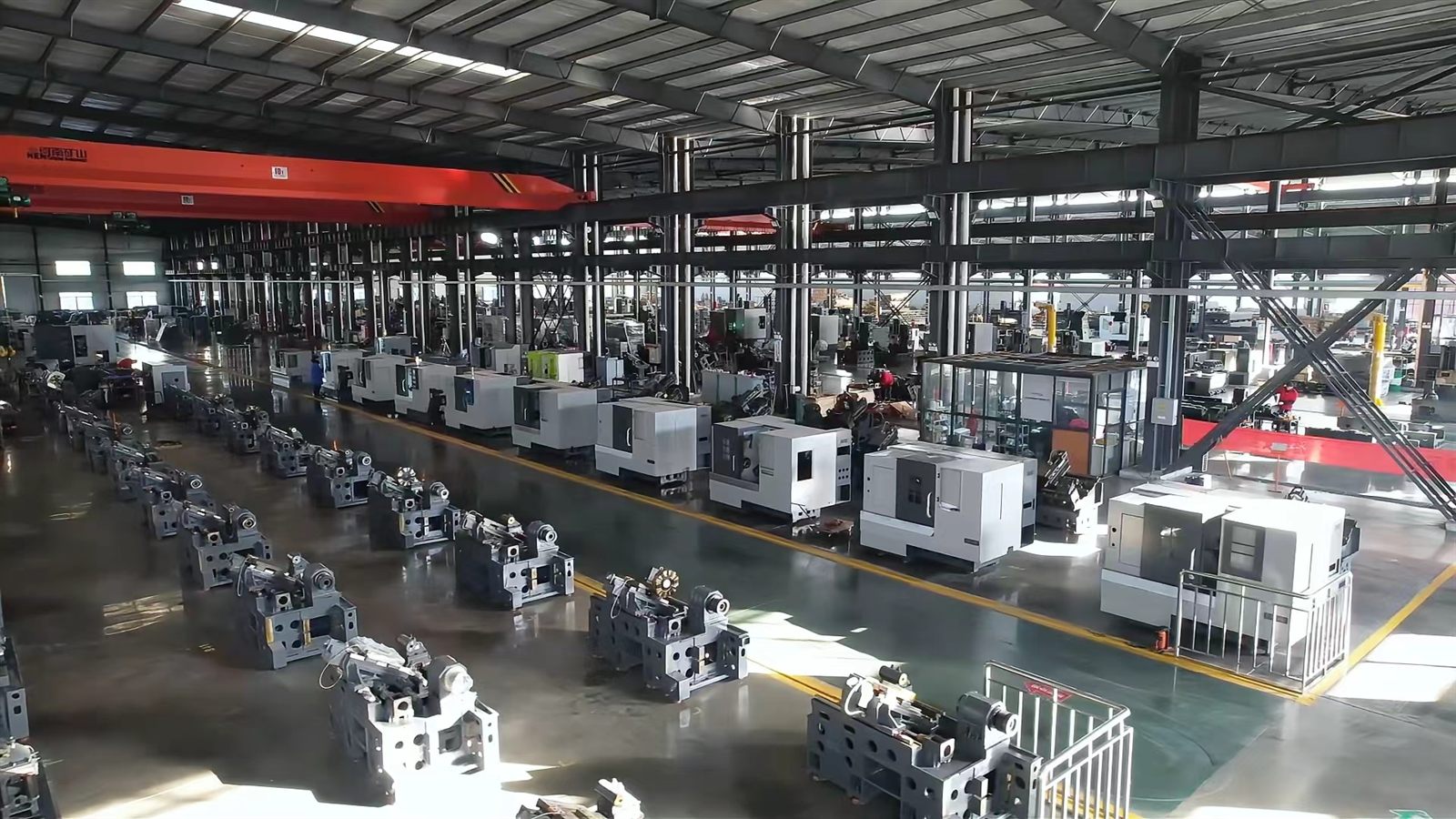
Engineering View
Start with the part family, then choose the machine.
TZ reviews automotive RFQs from the part drawing first: material, datum surfaces, hole pattern, sealing or assembly surfaces, annual volume, and the operation that currently slows the line down.
Typical parts
- Connectors and sensor housings
- Transmission and EV-related components
- Brackets, flanges, and housings
- Repeat shafts, sleeves, and turned parts
What Usually Decides the Route
Fixture location, datum control, chip removal, and inspection access often decide whether the line stays stable after installation.
For high-volume parts, the station balance and loading method matter as much as spindle power.
Machine paths TZ will usually compare.
The right answer may be a standard CNC platform, a fixture-led cell, or a dedicated special machine. TZ should compare these routes before pushing one model.
CNC lathes and turning cells
For round parts, shafts, sleeves, connectors, and repeat turning operations.
VMC/HMC and five-axis platforms
For housings, brackets, molds, and parts that need milling, drilling, tapping, or one-setup machining.
SPM and rotary transfer systems
For mature drawings where parallel stations can reduce handling and cycle time.
Related TZ machine pages.
These pages give buyers a starting point, but final selection should still come from the drawing and production target.
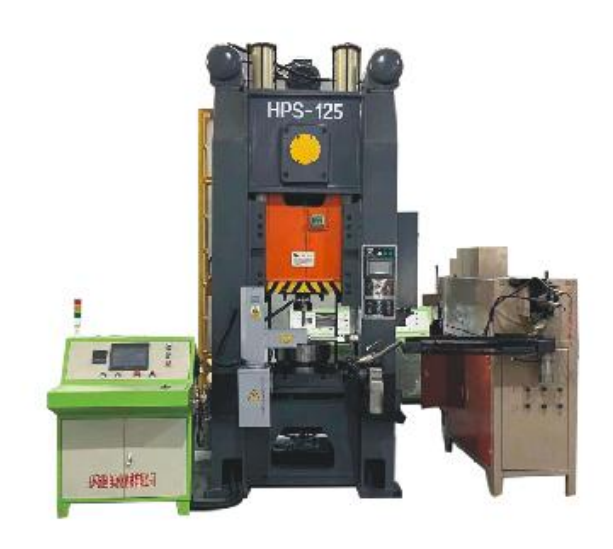
MT-5A Multi-Axis Drilling Center
Multi-Axis Drilling Center What this machine is built to solve The MT-5A is a fixture-led multi-axis drilling center route for...
View machine →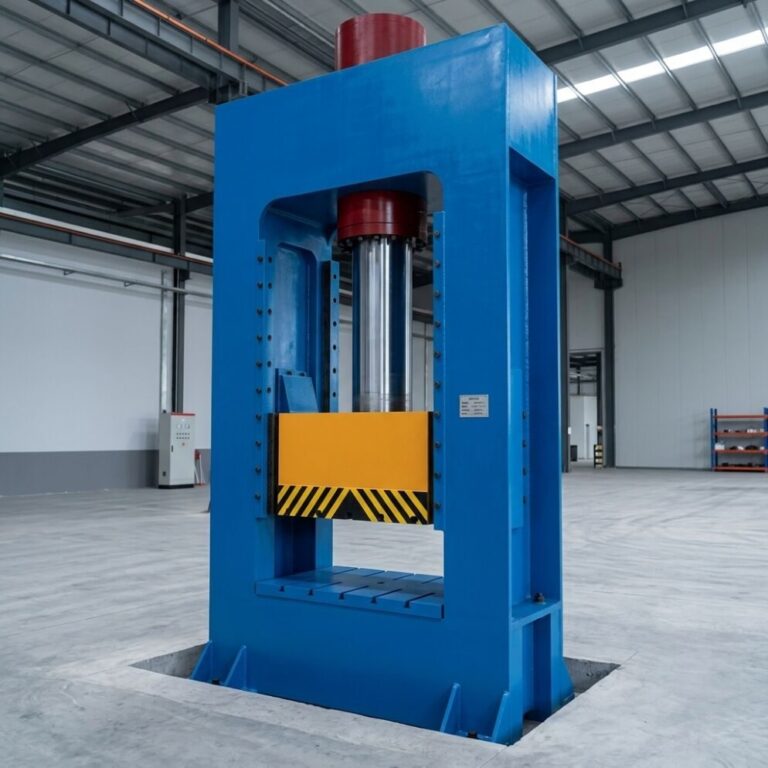
LSQ Hydraulic Trimming & Notching Press
Trimming and Notching Press What this machine is built to solve The LSQ hydraulic trimming and notching press is for...
View machine →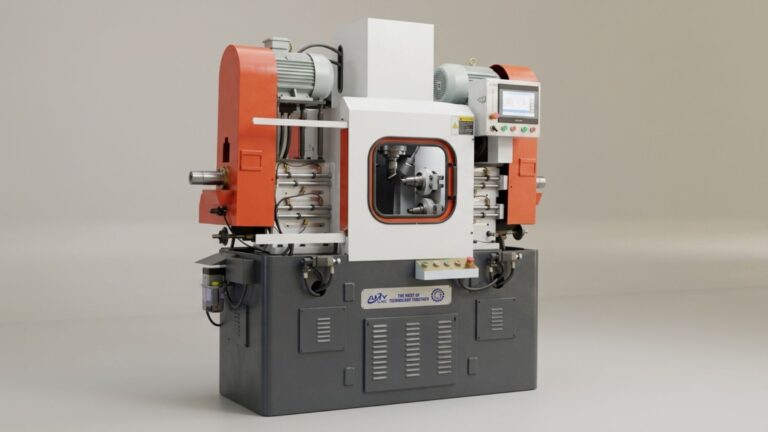
Rotary Transfer SPM – Valve & Cylinder Manufacturing
Rotary Transfer CNC System What this machine is built to solve This Rotary Transfer SPM route is for valve bodies,...
View machine →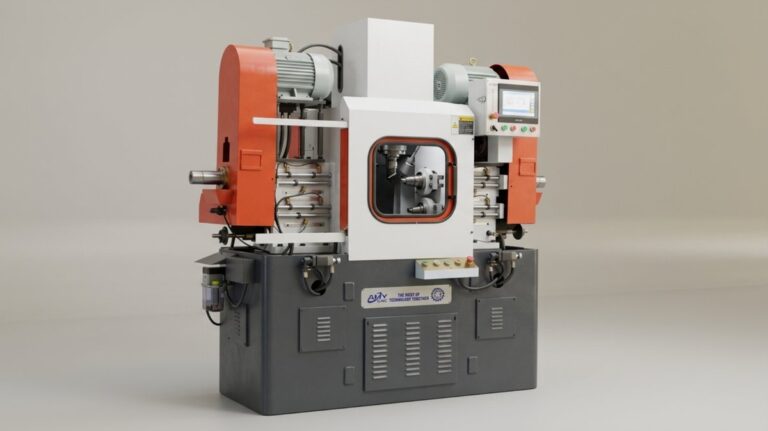
2DSF-TV08-10HSP Rotary Transfer Machine
Rotary Transfer SPM What this machine is built to solve The 2DSF-TV08-10HSP is a drawing-based rotary transfer special purpose machine...
View machine →RFQ Checklist
Details that make the first reply useful.
A short, specific RFQ is better than a long sales message. Send the facts below and TZ can reply with a more realistic route.
- Part drawing and material
- Annual volume and shift plan
- Current cycle time
- Critical dimensions
- Loading preference
- Inspection and acceptance method
Buyer Questions
When should an automotive supplier consider a dedicated CNC line?
When the part family is stable, the annual volume is clear, and repeated loading, tool changes, or inspection rework are creating cost that a general machine cannot remove.
Can TZ help compare a CNC cell with a special purpose machine?
Yes. The comparison should use the drawing, cycle time target, labor plan, scrap risk, and future part changes instead of only the purchase price.
Automotive CNC answer
What matters in CNC machine selection for automotive parts?
- Direct answer
- Automotive CNC machining usually prioritizes stable takt time, fixture repeatability, traceable inspection, and repeatable part handling.
Automotive buyers compare turning, machining-center, drilling, tapping, rotary transfer, and automation routes by part geometry, annual volume, control-system preference, and acceptance criteria.
- Confirm datum strategy and fixture access.
- Compare flexible cells against dedicated rotary transfer routes.
- Document sample-part, FAT, and inspection expectations before shipment.
When is a dedicated automotive SPM justified?
A dedicated SPM is usually justified when the part design is stable, annual volume is high, and several operations can be combined into a repeatable station layout.
What automotive RFQ data should be sent first?
Send 2D or 3D drawings, material, annual volume, current cycle time, target takt time, datum notes, inspection points, and factory loading preference.