Leak-sensitive parts need stable surfaces, controlled burrs, and inspection access.
HVAC and Refrigeration
CNC and Forming Equipment for HVAC and Refrigeration Parts
HVAC and refrigeration parts often mix forming, drilling, tapping, sealing surfaces, and leak-sensitive details. A useful proposal should look at the full route.
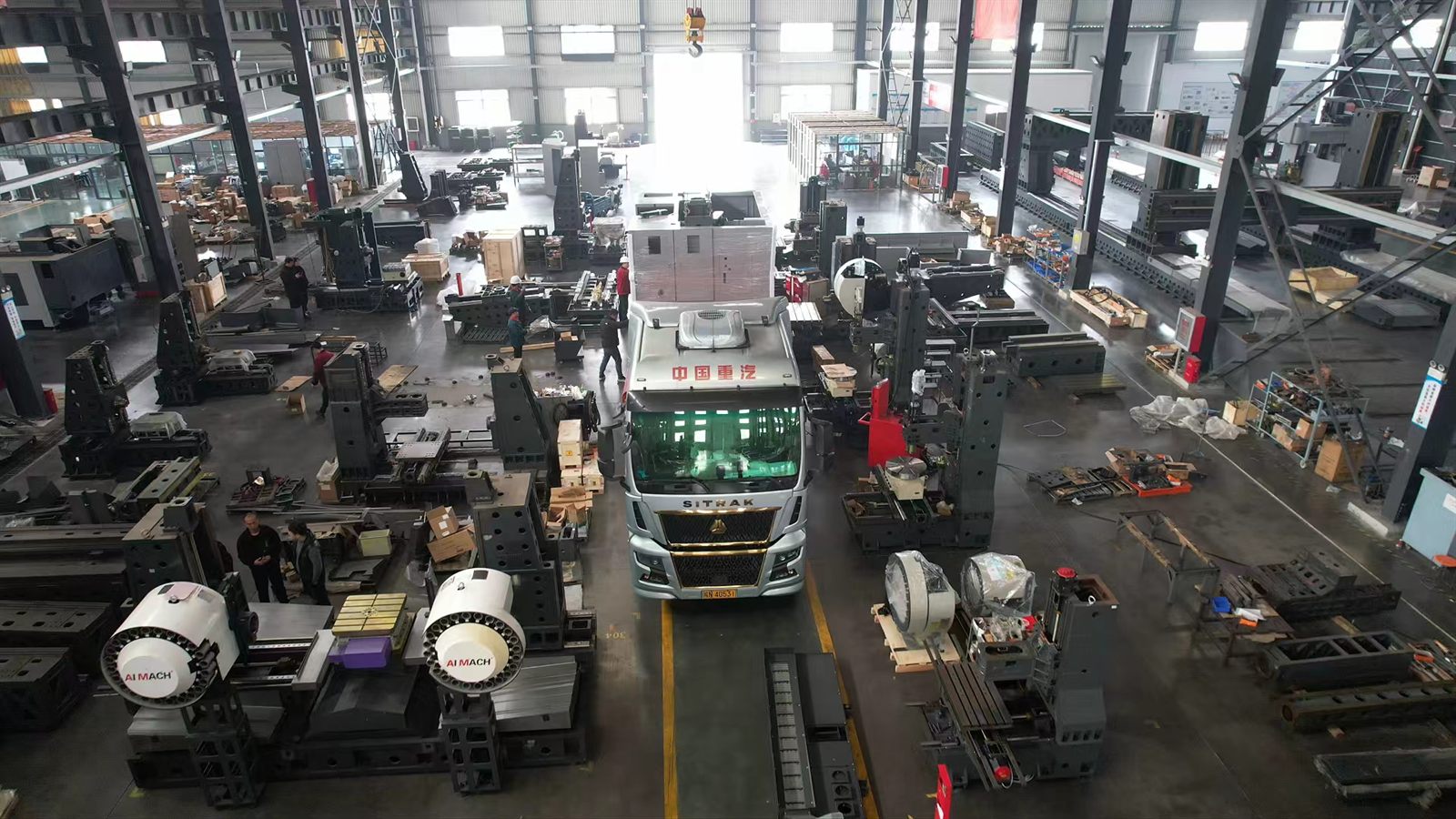
Engineering View
Start with the part family, then choose the machine.
TZ reviews compressor, tube, fitting, and refrigeration-related parts by looking at material, leak-related surfaces, burr risk, fixture access, and downstream inspection.
Typical parts
- Tube fittings and elbows
- Compressor-related parts
- Refrigeration connectors
- Formed and trimmed components
What Usually Decides the Route
Forming and trimming variation can affect downstream CNC machining allowance.
Small batches may need flexibility, while repeat fittings may justify dedicated equipment.
Machine paths TZ will usually compare.
The right answer may be a standard CNC platform, a fixture-led cell, or a dedicated special machine. TZ should compare these routes before pushing one model.
Hydraulic forming equipment
For elbows, tube-related parts, and fitting production routes.
Trimming presses
For formed parts that need repeatable cleanup before inspection or machining.
Drilling/tapping cells and VMCs
For holes, threads, mounting faces, and compressor-related components.
Related TZ machine pages.
These pages give buyers a starting point, but final selection should still come from the drawing and production target.
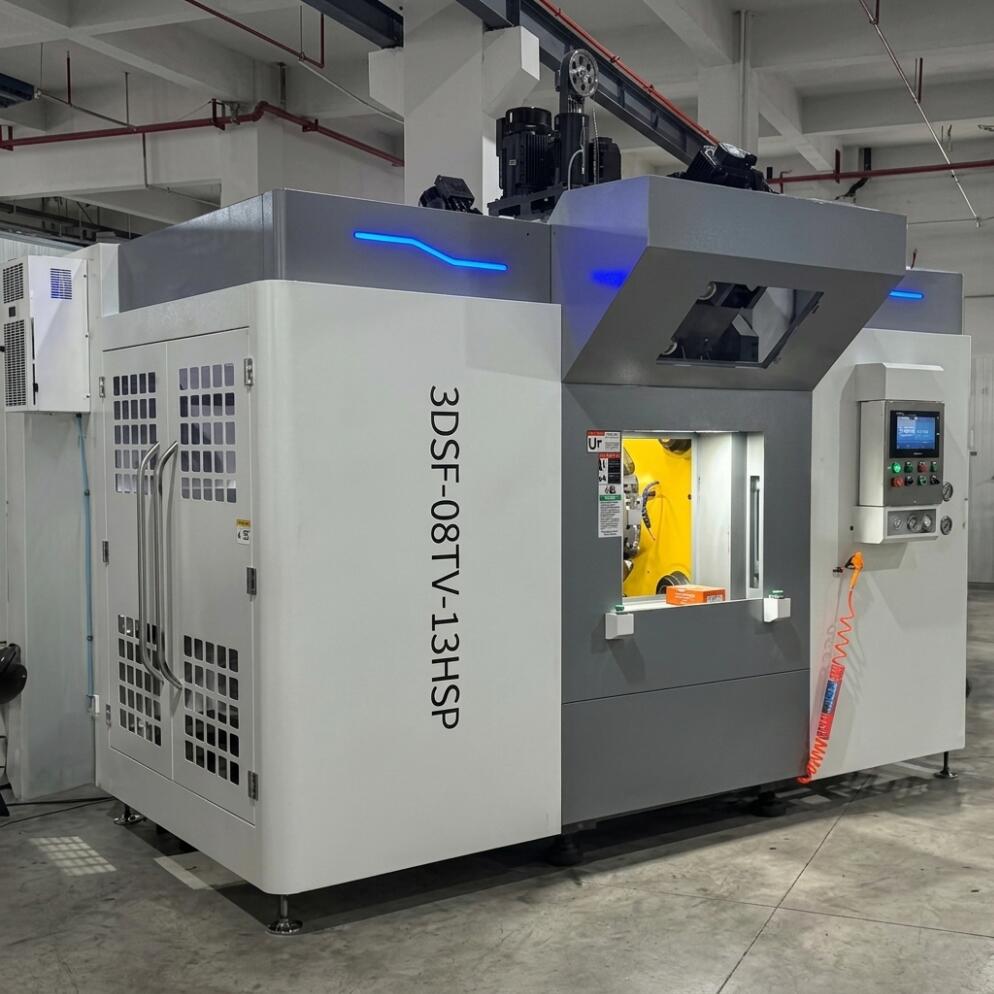
RF Series Red Forge Automated Line
Forging and Forming Line What this machine is built to solve The RF Series Red Forge route is for buyers...
View machine →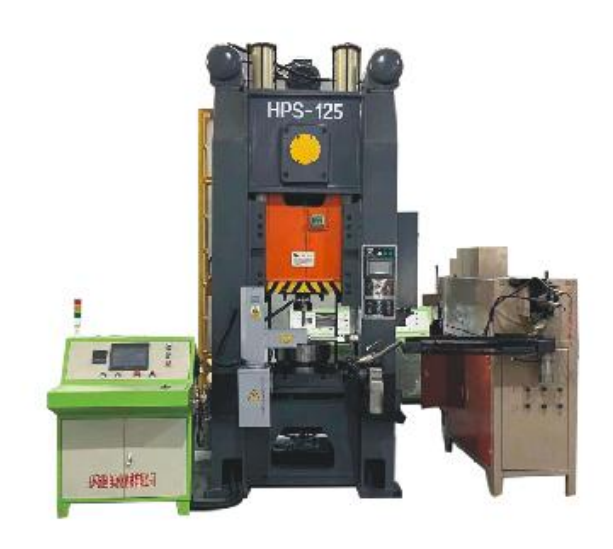
MT-5A Multi-Axis Drilling Center
Multi-Axis Drilling Center What this machine is built to solve The MT-5A is a fixture-led multi-axis drilling center route for...
View machine →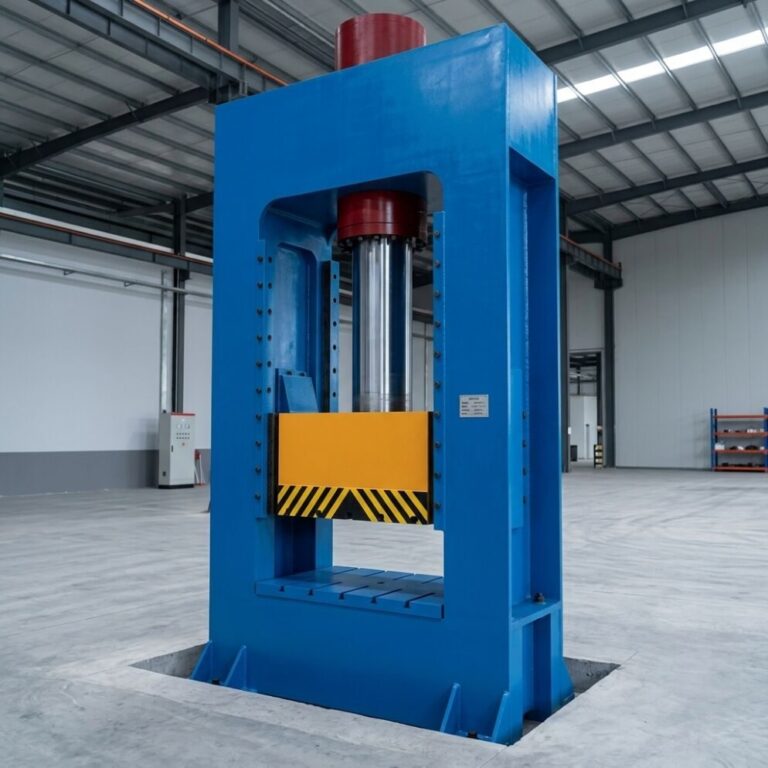
LSQ Hydraulic Trimming & Notching Press
Trimming and Notching Press What this machine is built to solve The LSQ hydraulic trimming and notching press is for...
View machine →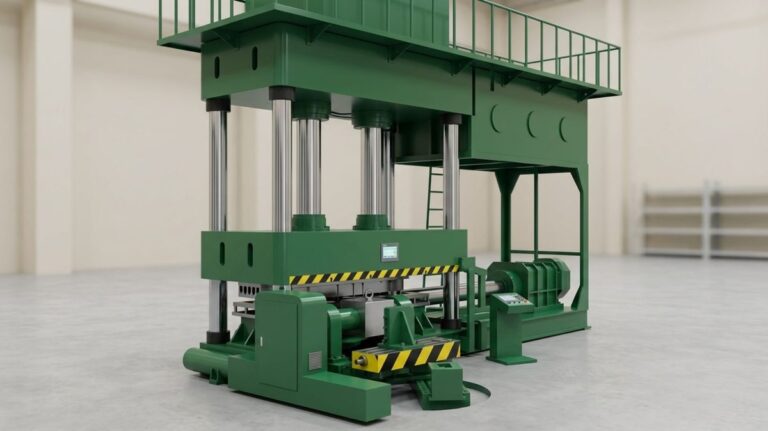
HLE Series Hydraulic Elbow Cold Forming
Hydraulic Forming Equipment What this machine is built to solve The HLE Series is a hydraulic cold forming equipment route...
View machine →RFQ Checklist
Details that make the first reply useful.
A short, specific RFQ is better than a long sales message. Send the facts below and TZ can reply with a more realistic route.
- Part drawings and size range
- Material and wall thickness
- Leak or pressure requirement
- Current forming route
- Output per shift
- Inspection method
Buyer Questions
Should HVAC fitting projects include trimming and inspection in the RFQ?
Yes. The useful engineering proposal often depends on the whole route from forming to trimming, machining, cleaning, and inspection.
Can one line cover several fitting sizes?
Sometimes. TZ needs the size range, tooling plan, changeover expectation, and output target before making that promise.
HVAC production answer
How should HVAC fitting and refrigeration part routes be planned?
- Direct answer
- HVAC CNC and forming routes often combine forming, trimming, drilling, tapping, sealing surfaces, leak-sensitive inspection, and packing requirements.
The HVAC solution page connects tube fitting geometry, wall thickness, leak requirements, trimming allowance, and downstream CNC machining.
- Map forming and trimming before final CNC operations.
- Keep leak-sensitive surfaces and burr risk visible.
- Compare dedicated equipment against flexible batch machining routes.
Should HVAC RFQs include leak-test requirements?
Yes. Leak-test or pressure requirements can change fixture design, machining allowance, deburring, inspection, and acceptance criteria.
Can one HVAC production line support several sizes?
Sometimes. The size range, tooling changeover, material wall thickness, and output target must be reviewed before promising one line.