A large travel range does not guarantee stable cutting if the structure cannot control vibration.
Heavy Machining
Heavy CNC Machining Routes for Large and Rigid Workpieces
Large workpieces are not only a travel-size question. Bed rigidity, casting structure, vibration damping, spindle torque, tool access, and long-term accuracy all matter.
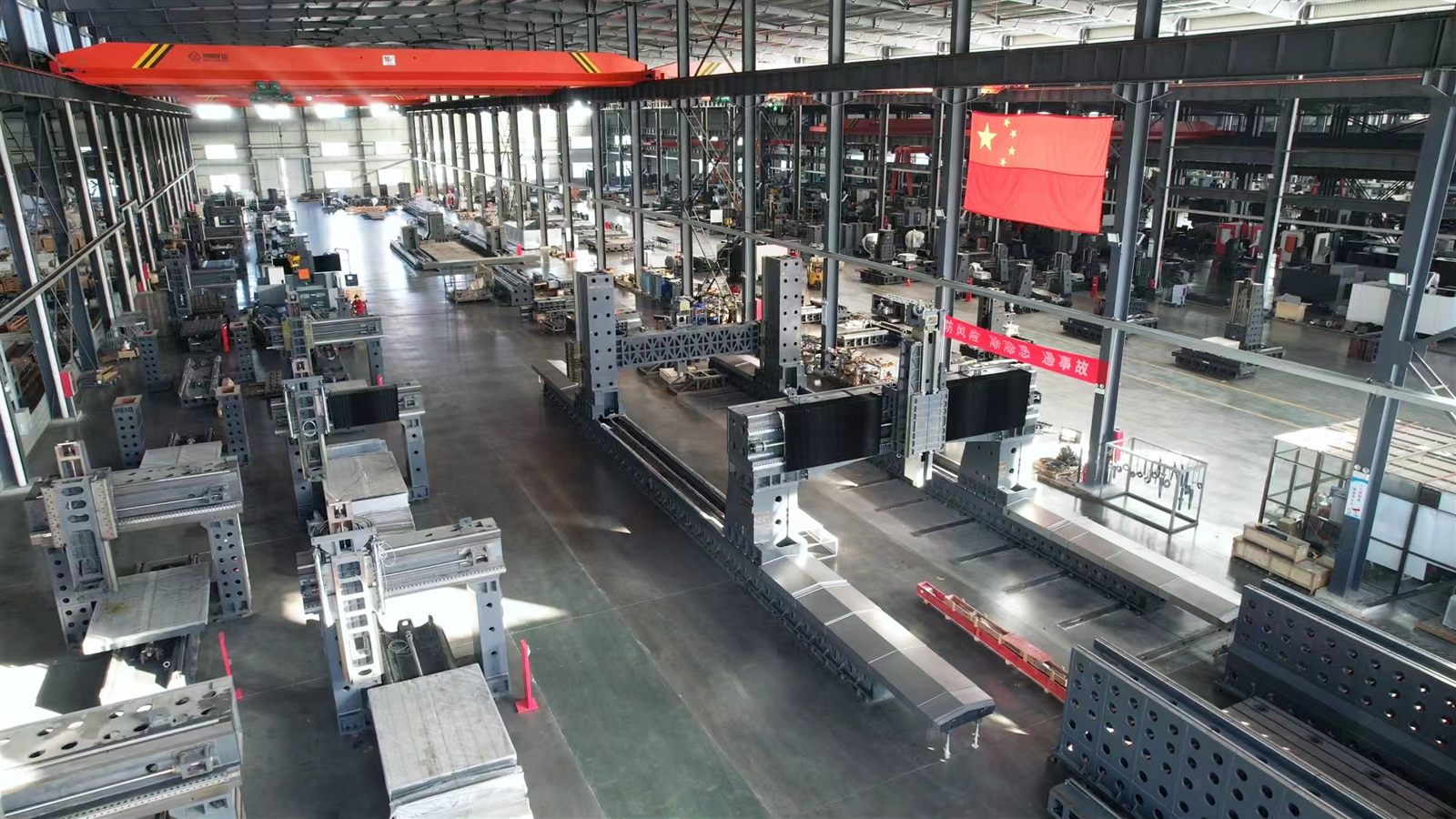
Engineering View
Start with the part family, then choose the machine.
For heavy machining projects, TZ reviews part size, material, allowance, cutting load, fixture method, lifting access, and inspection requirements before recommending gantry, horizontal, or heavy-duty turning equipment.
Typical parts
- Machine bases and mold bases
- Large housings and frames
- Heavy flanges and structural parts
- Long-bed machining work
What Usually Decides the Route
Machine bed material, internal rib structure, spindle torque, and guideway support affect heavy cutting performance.
Loading, lifting, clamping, and inspection access should be reviewed with the machine selection.
Machine paths TZ will usually compare.
The right answer may be a standard CNC platform, a fixture-led cell, or a dedicated special machine. TZ should compare these routes before pushing one model.
Gantry machining centers
For large molds, plates, frames, and long workpieces that need rigid milling and drilling.
Horizontal machining and boring
For box parts, mold bases, boring work, and heavy-duty multi-side machining.
Heavy-duty CNC lathes
For large round parts, discs, shafts, and work requiring stable torque.
Related TZ machine pages.
These pages give buyers a starting point, but final selection should still come from the drawing and production target.
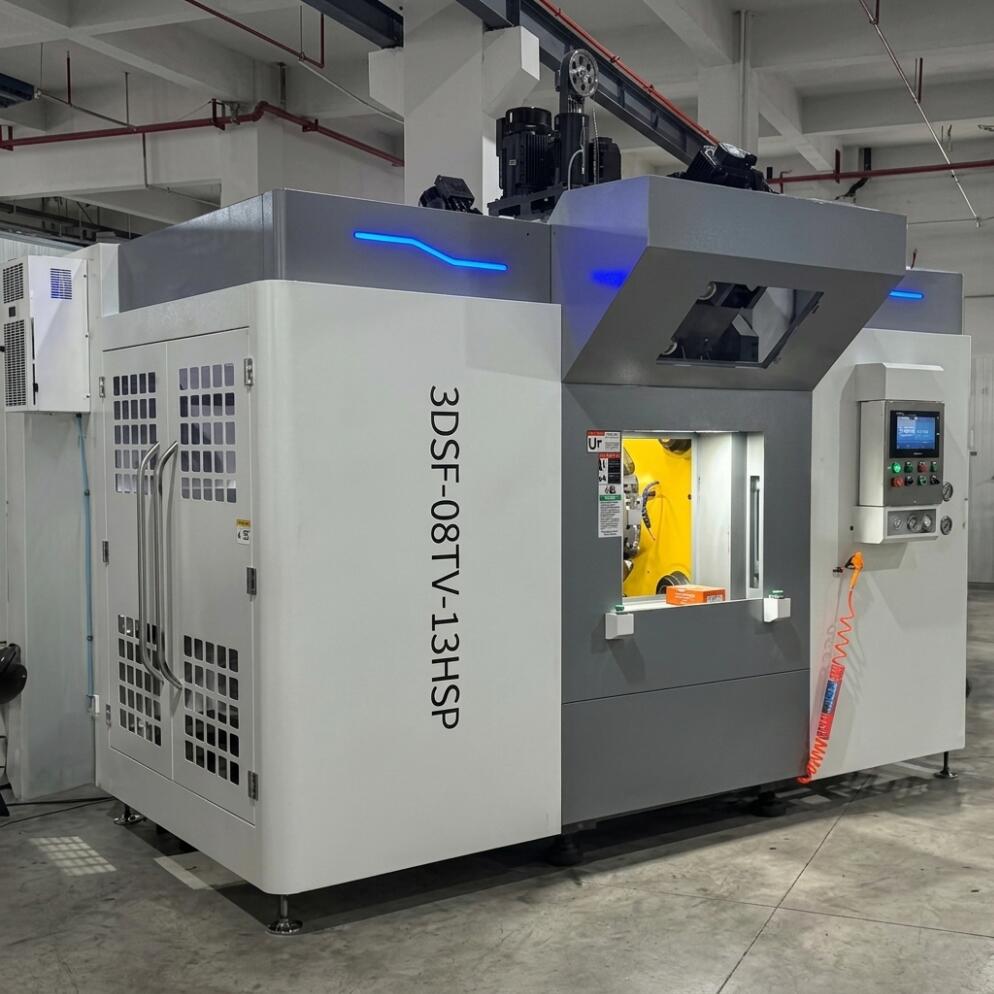
RF Series Red Forge Automated Line
Forging and Forming Line What this machine is built to solve The RF Series Red Forge route is for buyers...
View machine →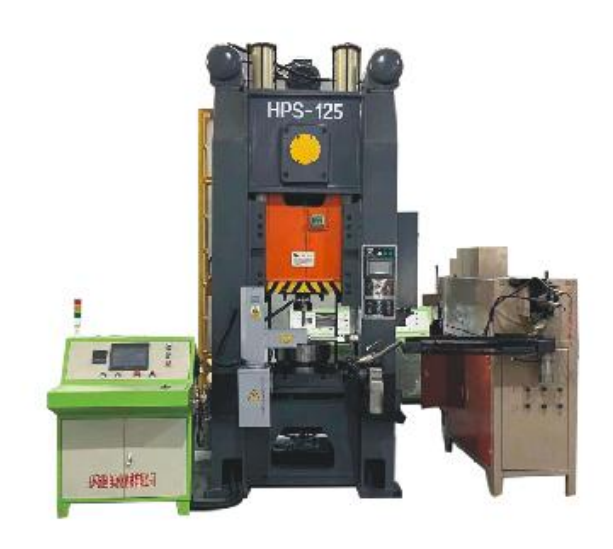
MT-5A Multi-Axis Drilling Center
Multi-Axis Drilling Center What this machine is built to solve The MT-5A is a fixture-led multi-axis drilling center route for...
View machine →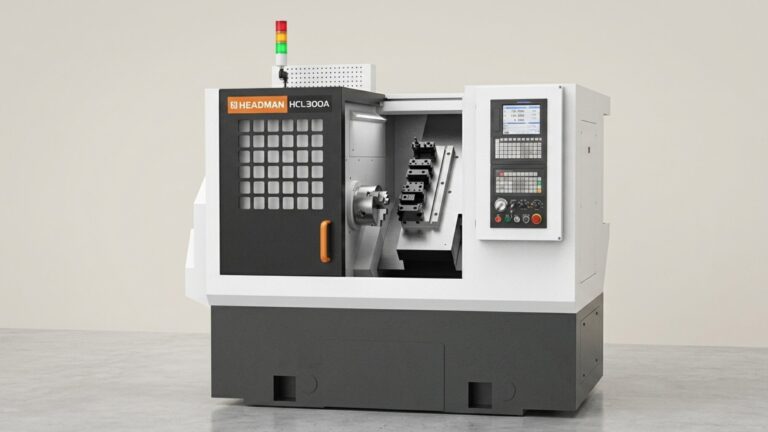
HCL300A Gang-Tool CNC Lathe
CNC Turning Platform What this machine is built to solve The HCL300A is a compact gang-tool CNC lathe route for...
View machine →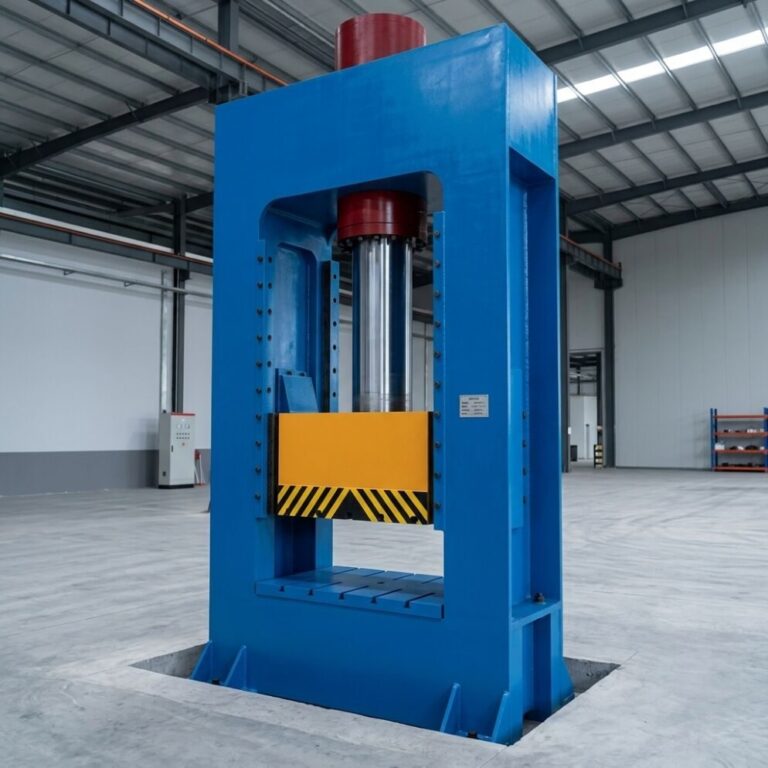
LSQ Hydraulic Trimming & Notching Press
Trimming and Notching Press What this machine is built to solve The LSQ hydraulic trimming and notching press is for...
View machine →RFQ Checklist
Details that make the first reply useful.
A short, specific RFQ is better than a long sales message. Send the facts below and TZ can reply with a more realistic route.
- Workpiece size and weight
- Material and hardness
- Machining allowance
- Largest tool and cutting load
- Fixture and lifting method
- Inspection requirement
Buyer Questions
What decides heavy cutting stability?
The main factors are machine structure, bed material, rib design, guideway support, spindle torque, fixture rigidity, and vibration control.
What should be sent before quoting a gantry or horizontal machining project?
Send the workpiece drawing, size, weight, material, machining allowance, critical tolerance, lifting method, and target delivery market.
Heavy machining answer
What decides a heavy CNC machining route?
- Direct answer
- Heavy CNC machining depends on workpiece size, weight, material, machining allowance, rigidity, spindle torque, lifting access, and inspection method.
Large workpiece buyers should compare gantry machining centers, horizontal machining, boring, heavy-duty lathes, and fixture strategy before selecting a machine.
- Do not judge by travel size alone.
- Check rigidity, torque, guideway support, and vibration control.
- Plan loading, lifting, clamping, and measuring access with the machine.
What makes a machine suitable for heavy cutting?
Heavy cutting depends on structure, bed material, rib design, guideway support, spindle torque, fixture rigidity, and vibration control.
What should be sent before quoting a heavy machining project?
Send workpiece size, weight, material, hardness, machining allowance, critical tolerance, lifting method, and target destination market.