
Which workpieces and process route should be reviewed?
Automotive components often require repeatable datum control, fixture access and documented inspection. A wheel-hub video can show machine context, but it cannot establish a customer result or final capability without the drawing, process plan and acceptance evidence.
- Wheel-hub-type components with concentric or face relationships.
- Aluminum or cast housings with drilled and milled features.
- Brackets and plates with repeat hole patterns.
- Parts considered for manual loading, fixtures, pallets or later automation.
Which inputs change the machine route?
| Datum strategy | Define primary, secondary and tertiary datums plus surfaces that must remain related. |
|---|---|
| Fixture access | Show clamping limits, part orientation and operations required on each side. |
| Volume and changeover | Provide annual volume, variants, batch size and target takt. |
| Inspection and traceability | State gauges, measurement records, sampling and acceptance requirements. |
What process sequence should buyers confirm?
- Confirm drawing revision, datums and material condition.
- Map milling, drilling, tapping, boring, facing and chamfering operations.
- Plan fixture access and the number of setups.
- Define inspection, traceability and acceptance records.
- Compare vertical, horizontal, drilling/tapping or automated loading routes.
Which Tiezheng machine routes should be compared?
What visible evidence is available?
The V876 media provides visible machine and wheel-hub machining context. Customer identity, final tolerance, takt, inspection result and production approval are not claimed.
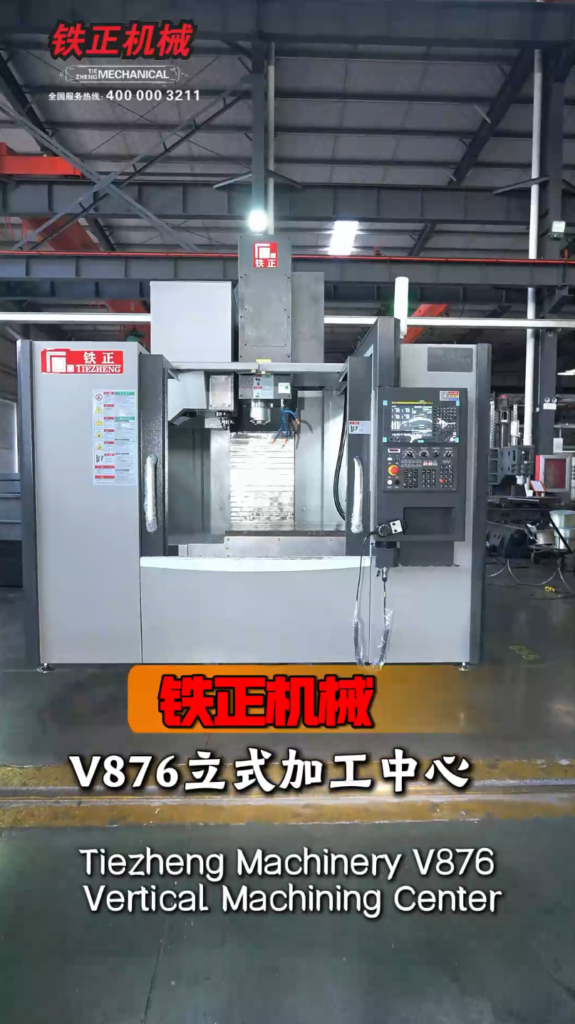
Review the V876 wheel-hub machining context video
Which quality risks should be discussed?
| Datum repeatability | Define datum surfaces, locating method and allowable setup variation. |
|---|---|
| Concentric or face relationship | Mark the controlled features and measurement method. |
| Fixture distortion | Review clamp force, wall sections and release-state measurement. |
| Traceability | Define required records, sampling and acceptance documentation. |
What should buyers send with the RFQ?
- Controlled drawing and revision with datums and critical features.
- Material grade, blank condition and heat treatment.
- Annual volume, part variants, batch size and takt target.
- Fixture, loading, probing, gauging and traceability expectations.
- Destination, voltage, acceptance test and service requirements.
Buyer questions before machine selection
Does the V876 video prove a customer result?
No. It provides visible machining context only and does not identify or claim an approved customer program.
When should horizontal machining be considered?
Consider it when multi-face access, chip evacuation or pallet strategy supports the process, subject to drawing review.
What controls fixture design?
Datums, clamp access, wall stiffness, operations, measurement and loading method.
Can cycle time be quoted from a similar part?
Not reliably. Tooling, material, allowance, fixture and acceptance conditions must be reviewed.
What is the next step?
Use the RFQ checklist to organize the drawing and production inputs, compare the linked machine routes, and then contact Tiezheng for an engineering review.