What is this machine used for?
What this machine is built to solve
The 2DSF-TV08-10HSP is a drawing-based rotary transfer special purpose machine route for stable repeat parts that can be divided into balanced stations to reduce handling, tool-change time, and cycle time.
Send the finished drawing, blank information, annual volume, tolerance, inspection method, and current bottleneck before asking for a final configuration. This keeps the quotation technical instead of only catalog-based.
- Best Fit
- High-volume repeat parts with mature drawings
- Review Basis
- Drawing, volume, tolerance, cycle time
- Brand
- TZ Tiezheng
Photos for engineering review

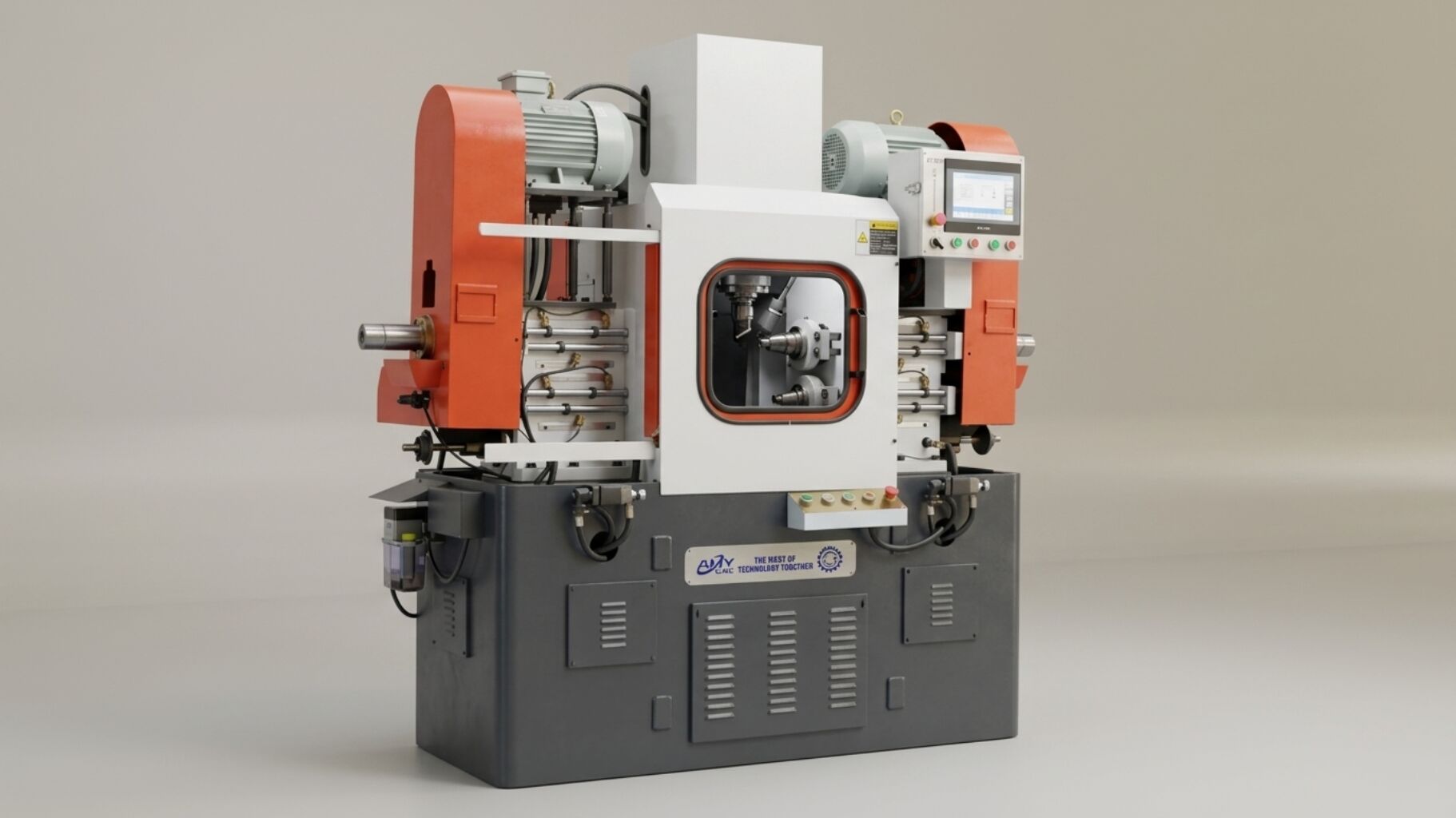
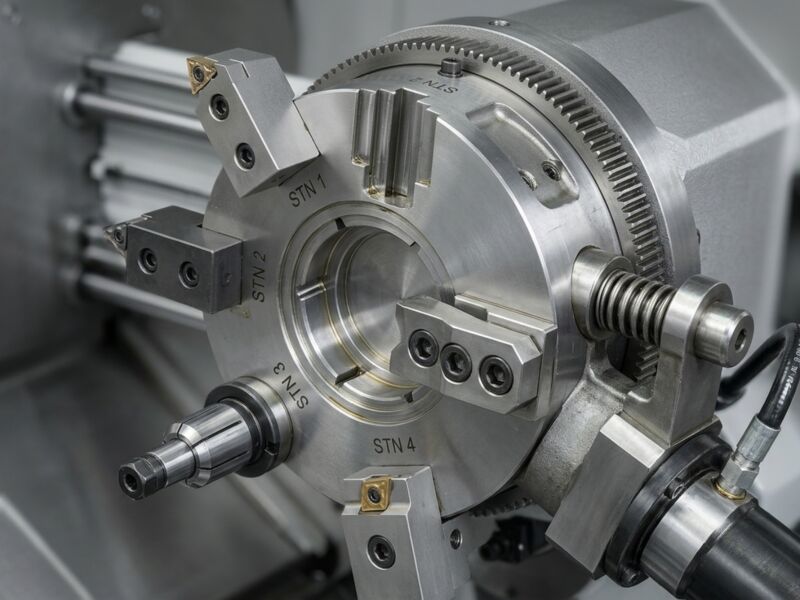
Where this machine route usually makes sense
High-volume repeat parts with mature drawings
High-volume repeat parts with mature drawings
Valve
Valve, fitting, automotive, and industrial components with multiple operations
Projects where station balance can reduce labor and floor-space pressure
Projects where station balance can reduce labor and floor-space pressure
How TZ reviews this type of project
- Map the current process route and identify the operation that controls output.
- Split the part operations into possible stations and check whether station times can be balanced.
- Review fixture logic, chip removal, inspection points, maintenance access, and loading method.
- Compare rotary transfer ROI against several CNC machines before final project approval.
Key quotation parameters
| Machine family | Rotary transfer special purpose machine |
|---|---|
| Typical parts | Stable high-volume components with multiple operations |
| Main review focus | Station sequence, index time, fixture logic, cycle-time target |
| Automation options | Manual, semi-automatic, or fully automatic loading after ROI review |
| Quotation basis | Drawings, annual volume, current route, target takt time, acceptance standard |
Information that makes the first reply useful
Part files
2D drawing, 3D model if available, blank drawing, sample photos, and critical dimensions.
Production target
Annual volume, batch size, shift schedule, current route, current cycle time, and target output.
Factory conditions
Loading preference, power supply, air supply, floor space, destination country, and acceptance criteria.
Questions buyers often ask before sending drawings
When is rotary transfer better than several CNC machining centers?
Rotary transfer is usually better when the drawing is stable, annual volume is high, and several operations can run in parallel around balanced stations.
When is a normal CNC machining center safer?
A machining center is often safer when the part design changes often, volume is uncertain, or the buyer needs flexibility more than the lowest cycle time.