What is this machine used for?
Tiezheng rotary transfer CNC systems are suitable for repeat industrial parts when several operations can be balanced across stations instead of handled as separate setups. Buyers should confirm the part drawing, material, blank condition, tolerance and annual output before choosing this route.
When does a rotary transfer CNC system make sense?
A rotary transfer or transfer-style CNC system is worth reviewing when a mature workpiece family needs stable multi-operation machining, repeatable fixture positioning and a clearer cycle-time target. It is not the first choice for unstable drawings, frequent design changes or very small trial batches.
What factory proof is connected to this machine category?
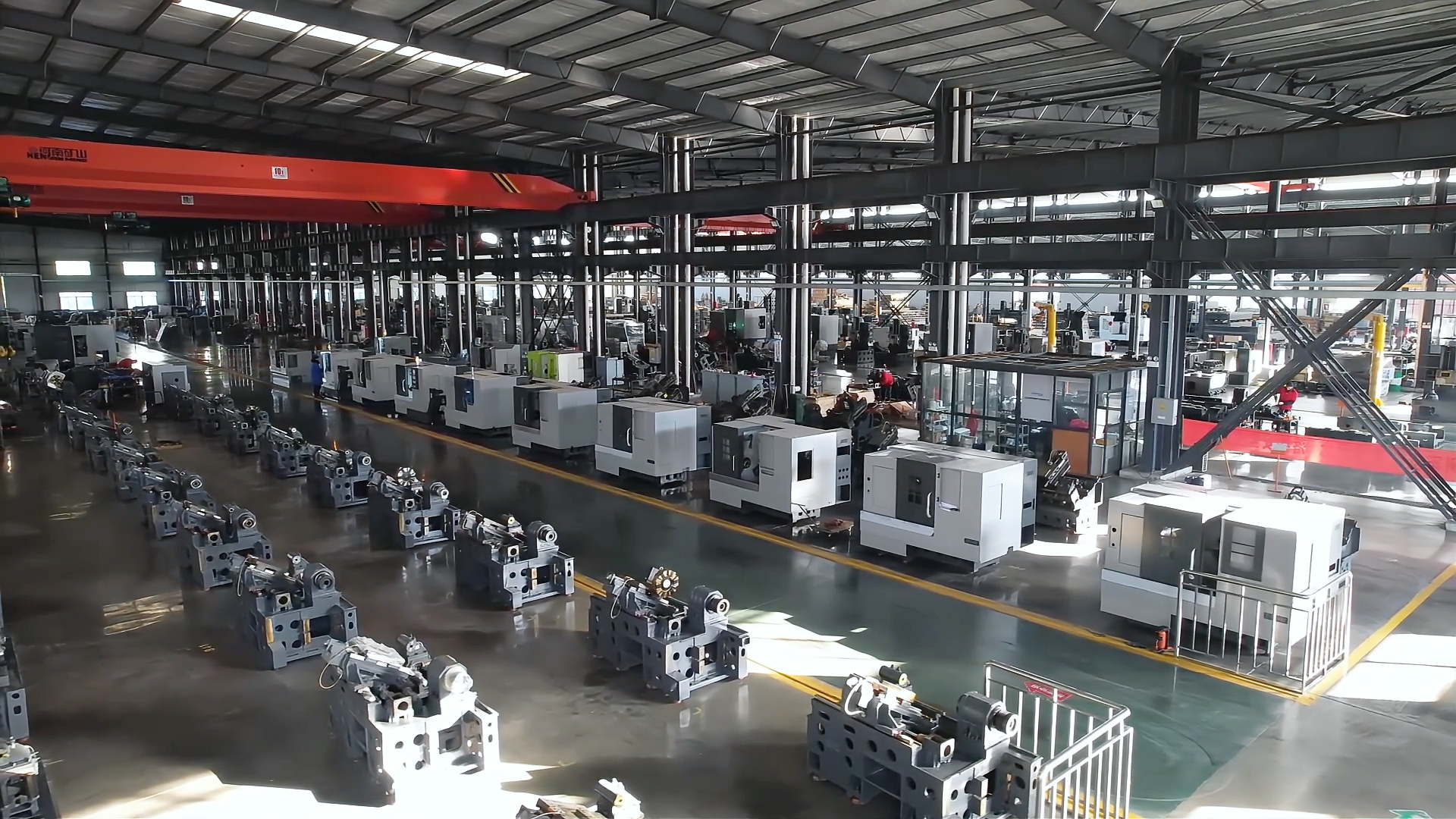
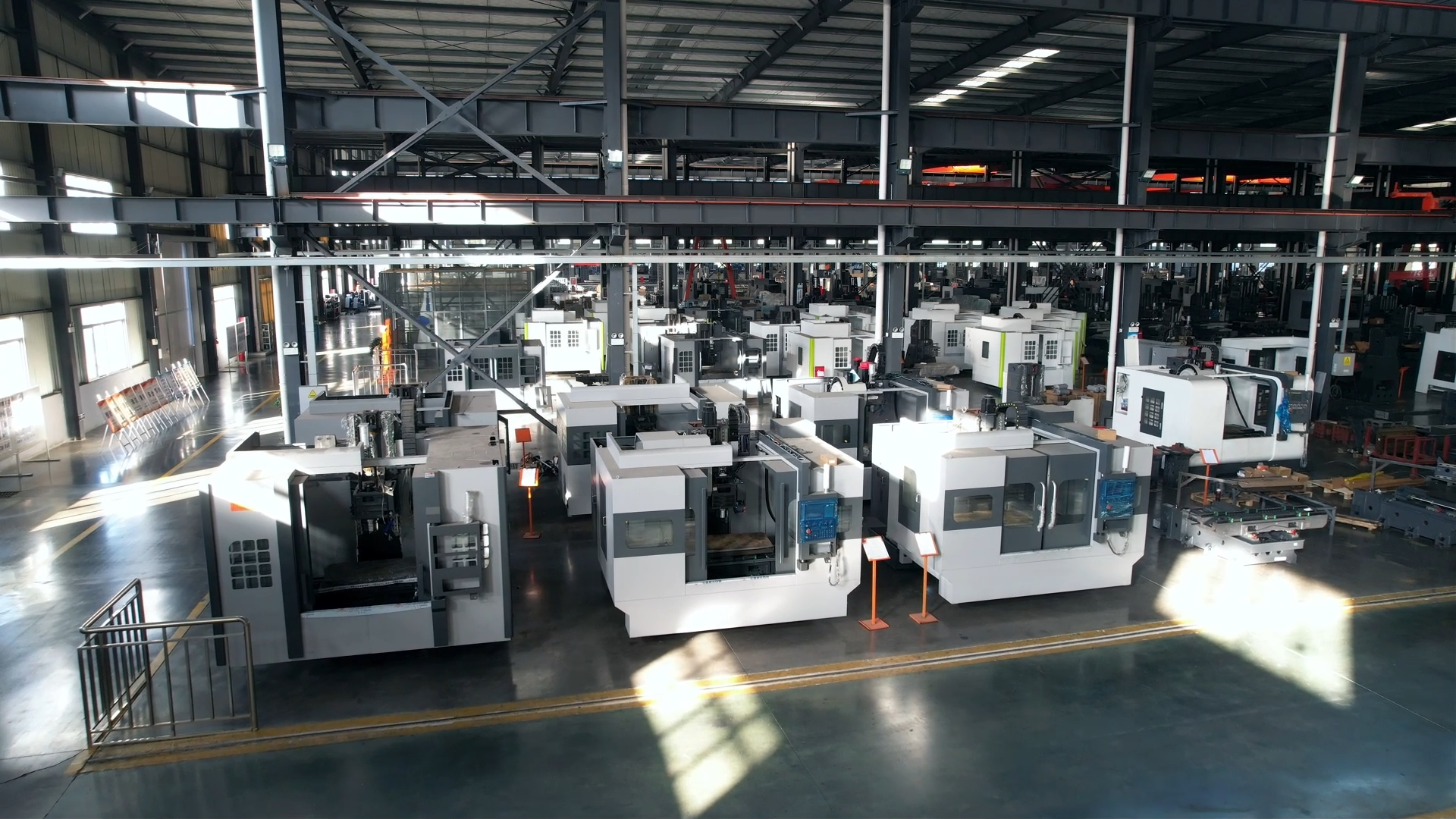
The images below are verified WordPress Media Library assets selected as visible factory-scene evidence. They support conservative workshop and assembly-environment wording only; they do not prove capacity, inspection results, CE scope, annual output or customer approval by themselves.
Which workpieces fit a transfer-style CNC review?
| Typical workpieces | Valve bodies, cylinders, fittings, connectors and repeat components with mature drawings. |
|---|---|
| Typical processes | Station-based drilling, tapping, boring, milling, facing and route integration after engineering review. |
| Material review | Cast iron, steel, brass, aluminum or mixed materials, subject to material grade and blank allowance confirmation. |
| Automation fit | Transfer line, fixture system, loading/unloading plan and inspection flow are configured by project. |
| RFQ trigger | Send drawing, material, tolerance, current process, annual volume, cycle-time target and acceptance criteria. |
What should buyers verify before using certificate resources?
Certificate pages on this site should be treated as document-review resources, not blanket compliance promises for every custom rotary transfer project. Buyers should check issuer, report number, model scope, dates and destination-market requirements before relying on any certificate document.
- Review the UDEM CE certificate resource for milling machines
- Review the UDEM CE certificate resource for grinding machines
- Prepare RFQ inputs before requesting a transfer-system proposal
How does Tiezheng review a rotary transfer RFQ?
- Confirm the part drawing, blank, material grade and quality target.
- Group operations into a possible station sequence and identify fixture risks.
- Review loading, unloading, chip, coolant, tooling and inspection requirements.
- Compare the expected project route with standard CNC, special-purpose CNC and transfer-line alternatives.
- Define acceptance criteria before quotation, trial run or production handover.
Buyer questions before quotation
Is a rotary transfer CNC system better than a standard machining center?
It may be better for mature repeat parts with enough volume and stable operations. Standard machining centers can be more flexible when part drawings change often or production demand is still uncertain.
Can one configuration cover every valve or cylinder part?
No. Station count, fixture design, tools, automation and inspection flow depend on the exact drawing, blank and tolerance requirements.
What evidence is public on this page?
The page uses two reviewed factory workshop images and links to certificate resource pages. Stronger claims still require project-level evidence or human review.
What should I send for a useful proposal?
Send the drawing, material, blank condition, tolerance, annual output, target cycle time, current process notes, automation expectation, destination market and acceptance requirements.