What is this machine used for?
What this machine is built to solve
The HC-RTB-25-K is a valve body CNC machining route for buyers who need repeat sealing surfaces, threading, end-face machining, and fewer handling steps for valve and plumbing fitting production.
Send the finished drawing, blank information, annual volume, tolerance, inspection method, and current bottleneck before asking for a final configuration. This keeps the quotation technical instead of only catalog-based.
- Best Fit
- Gate valve bodies, plumbing fittings, and threaded valve components
- Review Basis
- Drawing, volume, tolerance, cycle time
- Brand
- TZ Tiezheng
Photos for engineering review
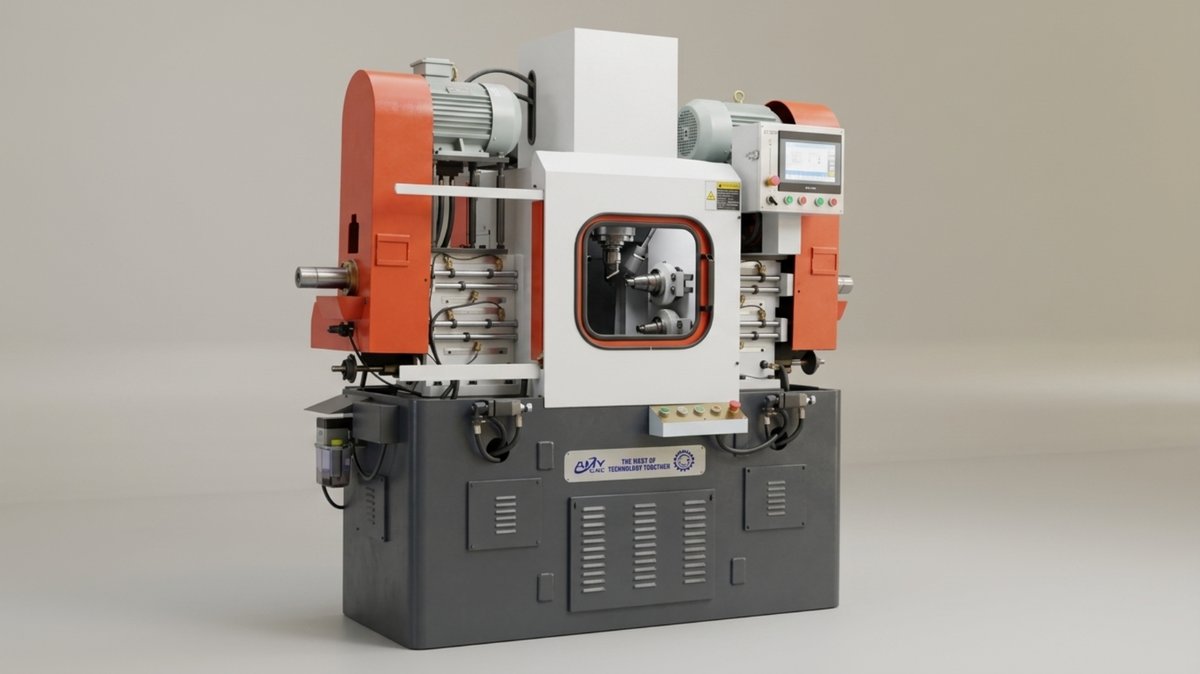
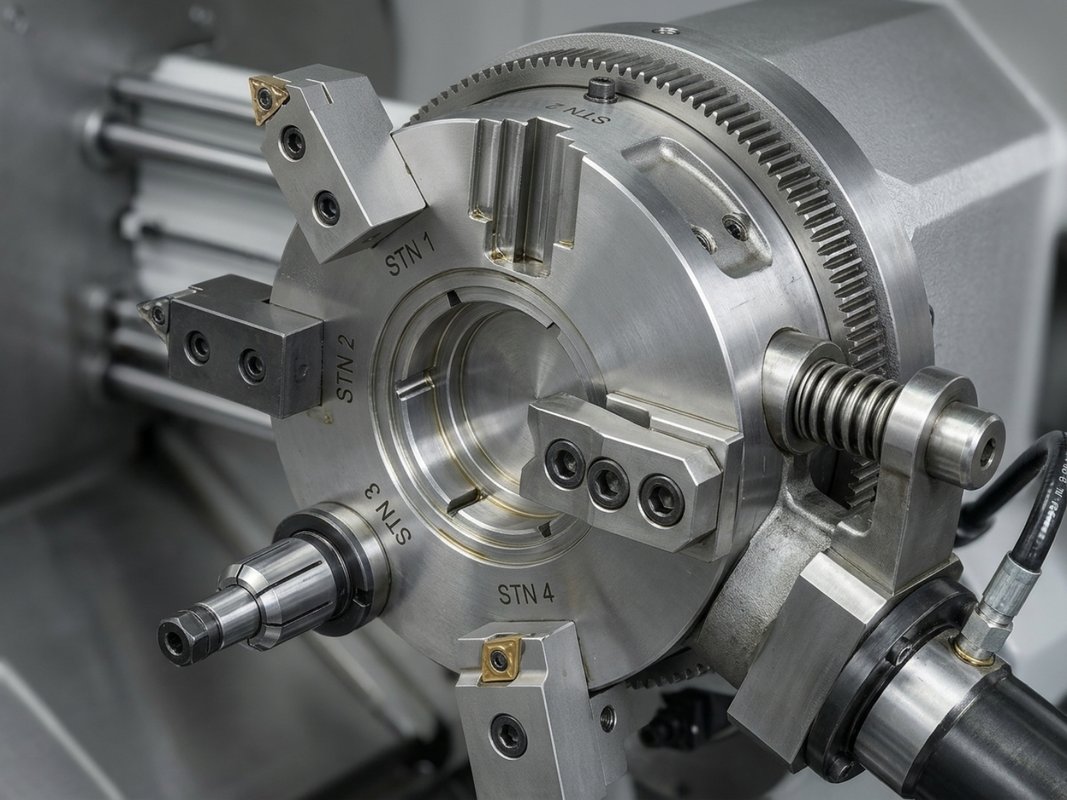
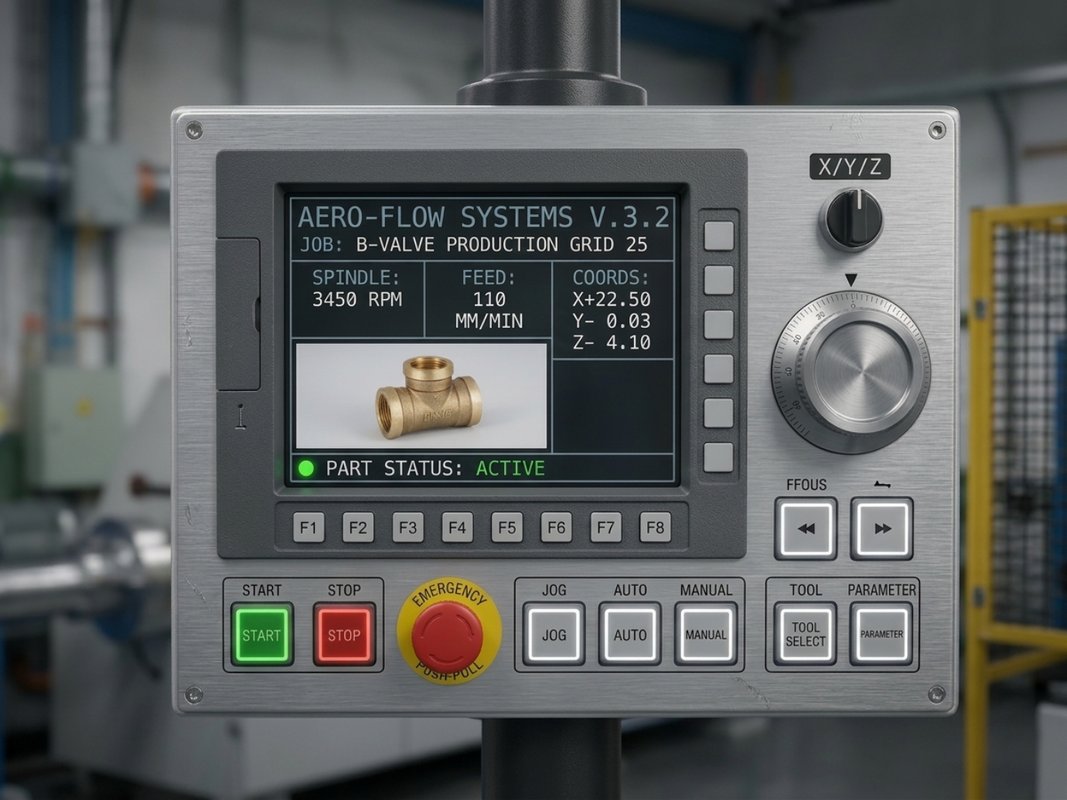
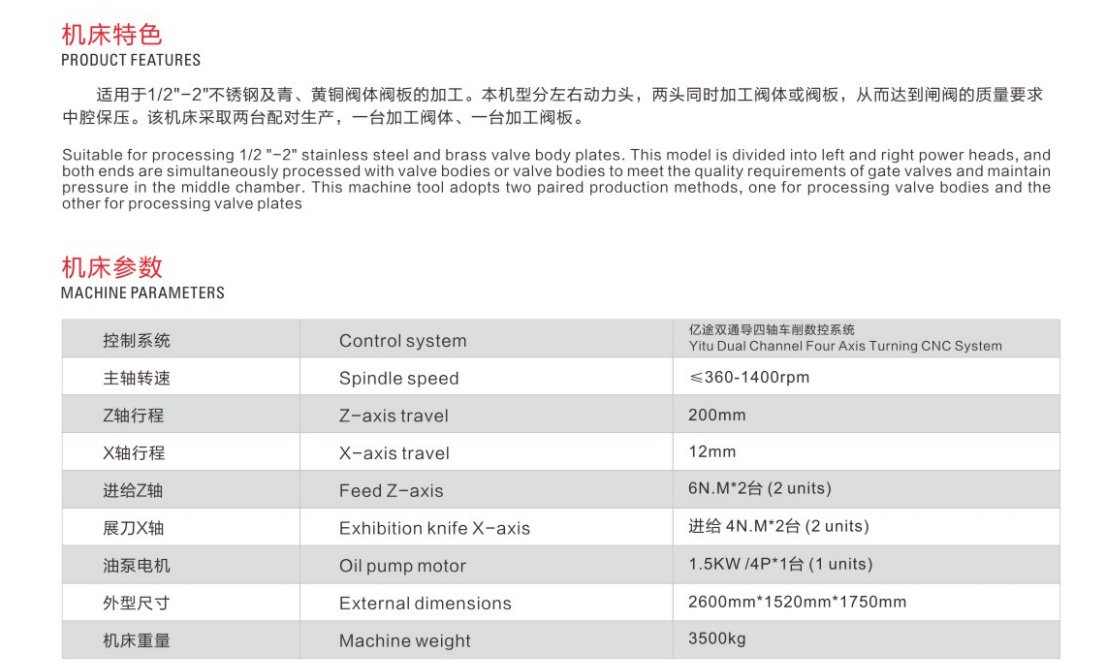
Where this machine route usually makes sense
Gate valve bodies
Gate valve bodies, plumbing fittings, and threaded valve components
Parts where sealing surface control and concentricity are critical
Parts where sealing surface control and concentricity are critical
Valve production projects that need route review from both blank and finished drawings
Valve production projects that need route review from both blank and finished drawings
How TZ reviews this type of project
- Start with blank drawing and finished drawing so the fixture can control sealing surfaces correctly.
- Confirm thread standard, port geometry, end-face requirements, deburring, and inspection method.
- Review whether one-side, two-side, or station-based machining reduces handling risk.
- Confirm cycle time target, leak-test requirement, and destination-market compliance notes before quotation.
Key quotation parameters
| Machine family | Valve body CNC machining platform |
|---|---|
| Typical parts | Gate valve bodies, plumbing fittings, threaded valve components |
| Main review focus | Sealing faces, thread quality, concentricity, deburring |
| Loading options | Manual or automatic loading depending on volume |
| Quotation basis | Blank drawing, finished drawing, material, thread standard, inspection criteria |
Information that makes the first reply useful
Part files
2D drawing, 3D model if available, blank drawing, sample photos, and critical dimensions.
Production target
Annual volume, batch size, shift schedule, current route, current cycle time, and target output.
Factory conditions
Loading preference, power supply, air supply, floor space, destination country, and acceptance criteria.
Questions buyers often ask before sending drawings
Why does valve body machining need a different review than normal turning?
Valve parts combine sealing faces, threads, end faces, and port geometry. Fixture location and machining order affect leakage risk as much as cutting power.
Can TZ quote if only photos are available?
Photos can start the discussion, but a reliable quotation needs blank dimensions, finished drawing, material, thread standard, and inspection requirements.